Do you want the good news or the bad news?
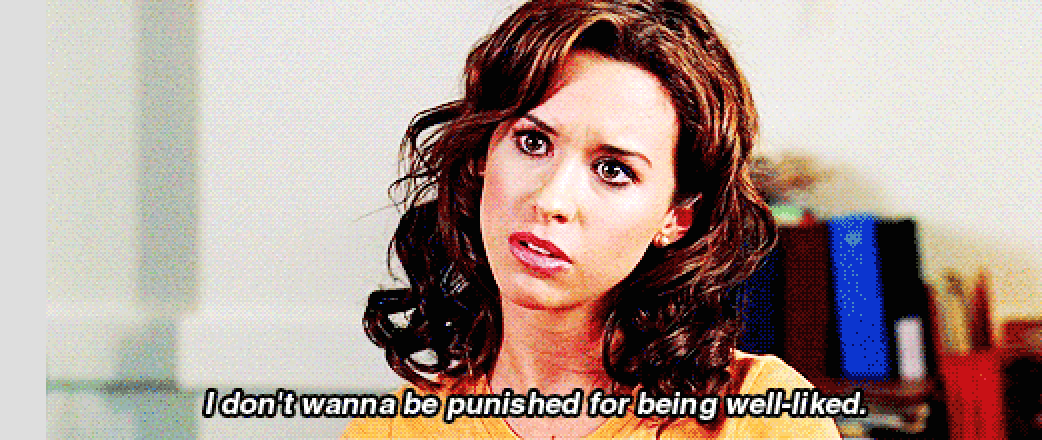
The good news is that if you’re among the genetic elite blessed with flawless bone structure and a perfect pout, society will grant you a free pass from just about any wrongdoing.
The bad news is that if you’re born with The Stephen Tyler Giant Mouth then the only thing you can look forward to is shoving a Double Bacon Deluxe Cheeseburger down your colossal throat. In essence, fortune does not look kindly on you, friend.
Preferential treatment of beautiful people is not a new concept. But when it comes to court sentencing, personal appearance is not only more relevant than ever but also a bigger contributing factor than anyone previously thought.
Here we explore the facts around fancy faces and whether a cheeky grin can help you avoid doing hard time.
Backing the Beautiful
Have you ever noticed how beautiful people are served first in the bar line? Have better jobs, are paid more, and seem to have happier lives?
You may have thought you were edging closer to life in a nice padded room, but rest assured your observations are legitimate. Those with traditionally appealing features actually do have it easier.
Why?
Let’s just say that preferential treatment of the attractive is not a new phenomenon. Scientists have described this cognitive bias as the ‘halo effect’. It means that we automatically assign favourable personality traits such as kindness, talent, honesty and intelligence without conscious realisation that physical appearance has played an important part in the decision-making process.
In a day-to-day sense this means that we tend to trust the beautiful more easily. Whether it’s voting for a politician, choosing a checkout person at the supermarket, picking an applicant for a job, tipping a waitress, or befriending someone new – we respect, trust and gravitate towards facial features and body types that are pleasing to the eye.
Since subconscious assessments play an enormous role in our conscious decision-making process, we unwittingly treat the beautiful as superior to the lesser-looking whether we want to or not.
Fans of the TV series 30 Rock will understand this phenomenon as ‘the bubble.’

Jack Donaghy thinks he can speak fluent French.

He can’t.
History of handsomeness
The building blocks of good looks are pretty simple. Universal identifiers of beauty are facial appearance and structure. Symmetrical faces are unconsciously associated with strong immune systems, overall fitness and the potential for healthy offspring – little wonder why these qualities are commonly selected for in a partner.
BBC news reports that beautiful people experience favouritism in more areas of life just romantic relationships. Studies show that attractive features have a bigger impact on maximum earning capacity than higher education. Beauty also selects for pay increases, attractive spouses, promotions, low interest mortgages, free Chinese food (!) and up to 10-15% higher earnings than the unattractive. Although men’s looks tend to play a bigger role in the workplace, women’s features are more significant in the formation of romantic relationships.
At the opposite end of the spectrum, some commentators claim that the level of discrimination experienced by unattractive people in the workplace now warrants government programs that aid the unlovely and provide special protection by law. The argument is that if you’re ugly you should receive benefits for being part of a disadvantaged group, in the same way as someone with a disability.
Too Pretty for Prison – The Psychology of Sentencing
Studies dating back to the 1960s have documented significant differences in the treatment of the beautiful when brushing with the law.
In general, attractive defendants are treated more compassionately and experience more lenient sentences (or are acquitted altogether) in contrast to less attractive persons accused of the same offence. Good looking plaintiffs, on the other hand, are not only awarded higher settlements, but are also more likely to win their case. The physical appearance of the offender such as beauty and baby-facedness can play an important role in a judge’s assessment of the case and the offender’s guilt or innocence.
Looks have also been shown to influence bail. In one British study, a positive correlation was found between a lower bail amount and the attractiveness of the offender: the bail of good looking criminals was smaller than the less beautiful accused of the same crime. The same is true of minor offences involving fines: better-looking defendants receive smaller fines than ugly ones.
A highly attractive defendant accused of raping an ugly victim is also less likely to be convicted than if the victim is beautiful. In one notorious example from the 1920s, the striking psychological bias caused by appearance wrongly impacted the outcome of a case:
Alexander Pantages – an ageing, awkward and unattractive theatre bigwig – was wrongly accused and convicted of raping an immaculately dressed, strikingly beautiful and well-spoken young girl. Pantages was convicted of 50 years imprisonment but acquitted at retrial 2 years later – after it was discovered that the young girl’s middle-aged boyfriend had set the whole thing up in order to acquire Pantages string of theatre companies at a bargain price.
More recently, Jeremy Meeks who was arrested in Stockton, California last year on multiple weapons and gang-related charges enjoyed an extraordinary positive public reaction based solely on his mugshot.
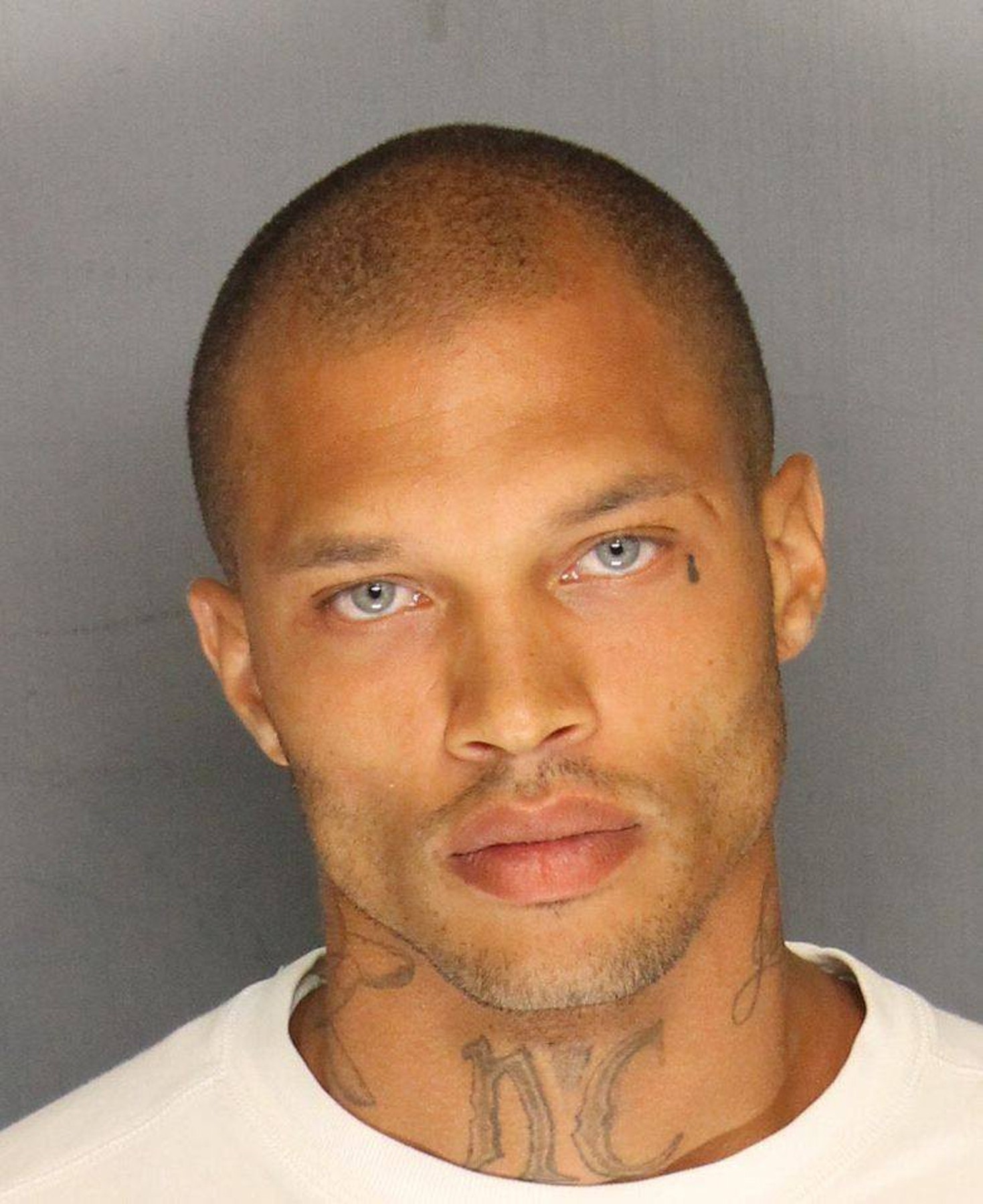
Jeremy Meeks viral mugshot
Once posted to social media, the Stockton Police Department’s Facebook page experienced the ‘hot felon’ phenomenon first hand. Meeks’ image received over 100,000 likes and 26,000 comments, spawning endless memes and fan sites. A crowd-funded bail campaign started by adoring lady fans amassed $5,000 in days while multiple contract offers from modelling agencies rolled in. Although Meeks has received 2 years imprisonment, his projected earnings from endorsements and contracts are likely to reach up to $100,000. Importantly, the three other ugly men charged with similar offences did not revel in the same favourable treatment.
Elsewhere, lawyers and legal professionals have long-recognised the psychological importance of physical appearance in the court system. Attractive young female lawyers are often advised to wear glasses in order to appear older and more intelligent in court. It’s also why lawyers advise clients to dress up for a hearing.
Conclusion
Appearance is everything.
The likability and attractiveness of a defendant can shape judge or jury determination of guilt or innocence. To this end, the appearance of innocence can play a big role in leading a court to that finding.
The moral of the story? Being beautiful pays serious dividends.
Do you think justice is blind? Should attractiveness impact whether someone is punished for committing a crime? Tell us what you think in the comments section below!