
You have to be friendly and affable.
You have to be thoughtful and charismatic.
You have to confidently circulate, oozing intelligence.
And as difficult as it is to achieve this perfect balance, you also have to do it all without coming across like a dog walking on its hind legs. It stands to reason then that resume-writing is consistently rated as one of the least preferred activities by Millennials. Most of us would rather have a meaningful conversation with a telemarketer than spend a few hours updating our CVs.
Unfortunately, to land your dream role in the current and highly competitive job market, a stand out CV is a not only necessary, it is essential.
Below is your Complete Guide to Writing a Kick Ass Job Application – everything you need to write a resume like a winner, and land your dream role.
How To Sell Yourself
Writing an excellent application is about effective communication.

Honesty speaks volumes.
Remember that your prospective employer is not a mind reader. He/she has no idea who you are, or what value you can bring to their organisation, unless you tell them!
Don’t take any information for granted. At a minimum demonstrate your employability by canvassing the below questions:
- Why do you want the job?
- Why are you the right person for the role?
- How do your values or interests align with the position you are applying for?
- How does your skill or experience match the position they are looking to fill?
Pay attention to your structure, tone and content. Does it present you in the best possible light?
O-Rule: If you don’t have relevant industry experience, demonstrate how your current skills and experience can be transferred to the role you are applying for. This clearly indicates that you are self aware, possess emotional intelligence and have a sound understanding your strengths and limitations.
Get Creative
If your application describes you as a creative genius, be sure to show your potential employer exactly why you hold yourself in this regard.
Back up your assertions with hard facts such as your relevant experience.
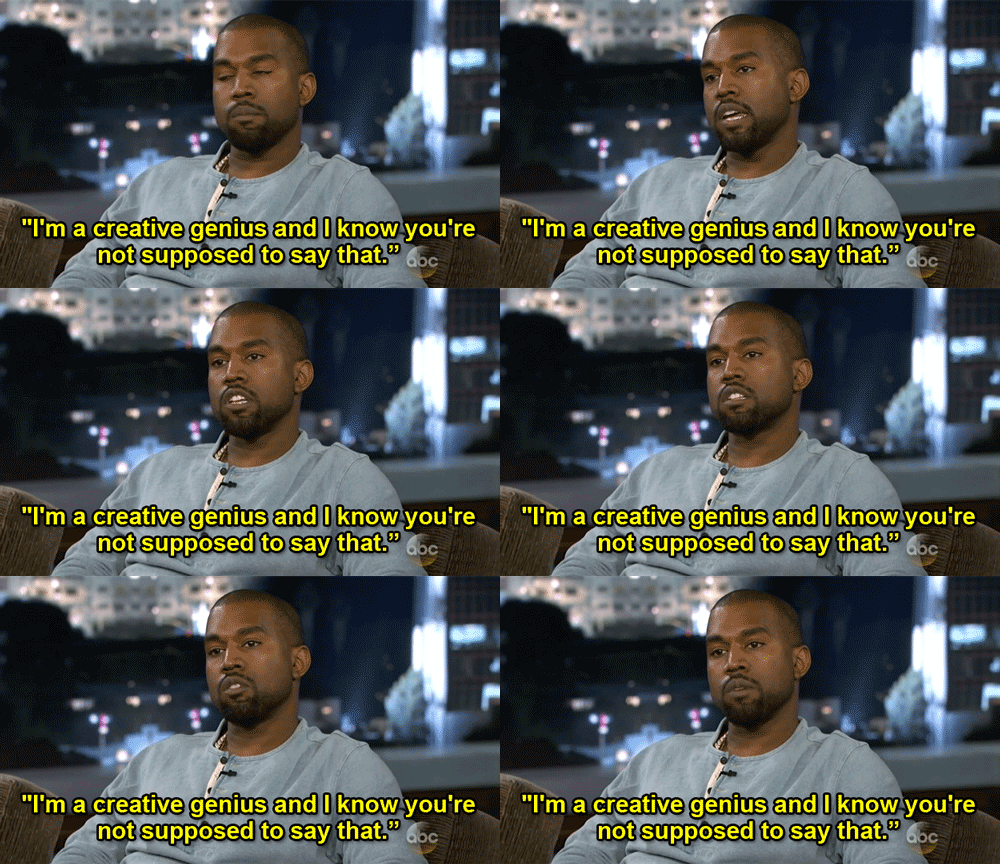
Honesty vs vanity: Know when to toe the line
The most efficient way to achieve? Tailor your application to the mission, vision and values of the organisation you want to work for.
If it is an design agency, for example, use your creative skills to show a recruiter exactly what you can bring to the team.
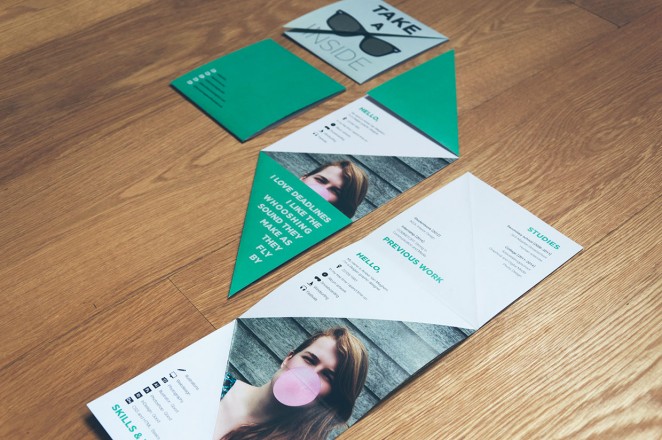
Interactive applications – always a crowd favourite.
If it is a travel company, for example, you can use a similar formula to transform your CV into a passport.
 Reserve the first application page for personal particulars such as contact details and educational history (visas held).
Use the second page to outline your employment history which you have creatively reimagined, in this case, as travel stamps.
The same model works effectively for other creative industries, such as the music industry.
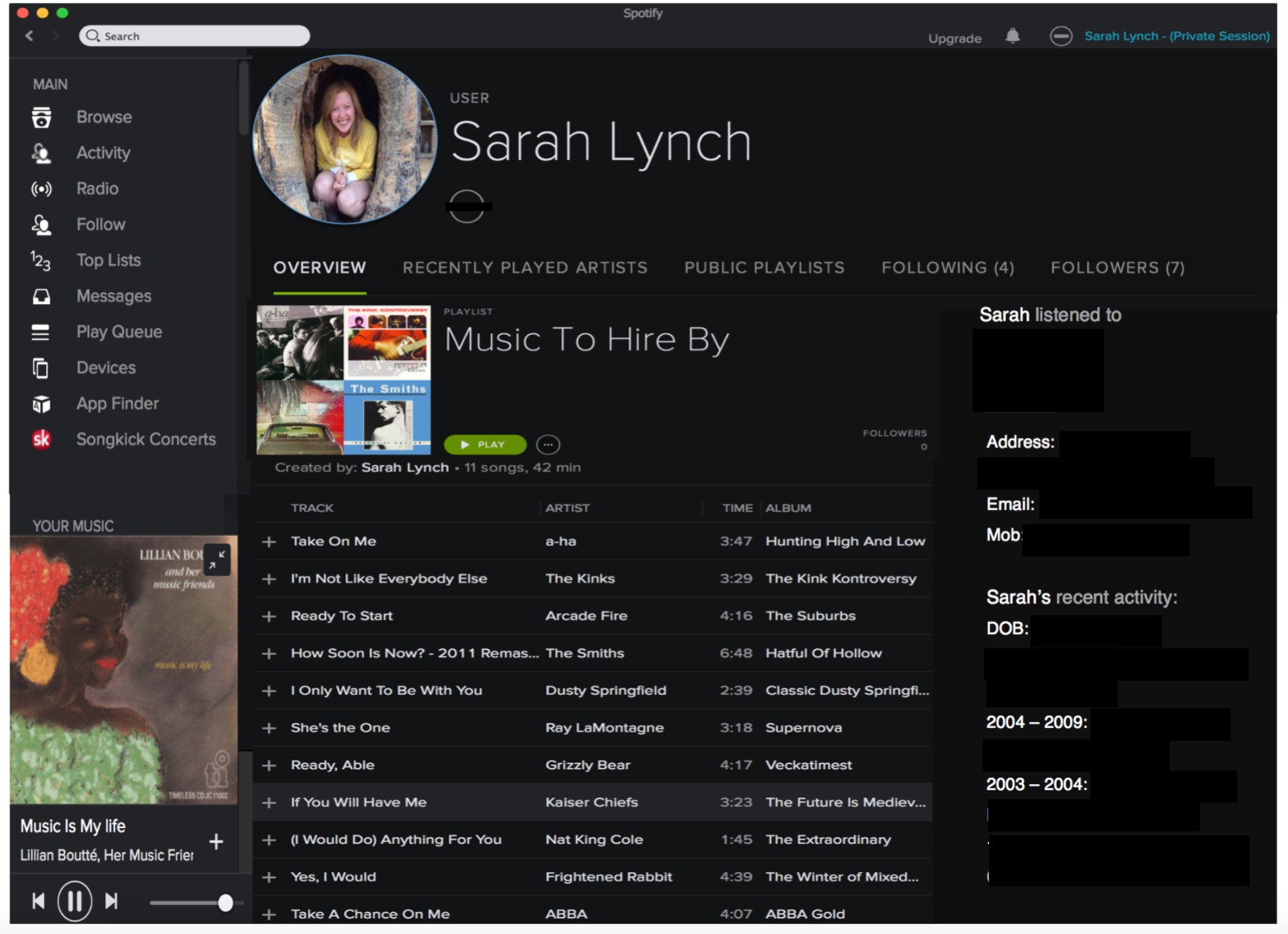

The great thing about this approach is that it simultaneously illustrates your individuality and ballsiness, willingness to go the extra mile and ability to think outside-the-box. It also shows an employer that you have a sound understanding of company ethos.
A simple but effective strategy guaranteed to win you an invitation to interview.
O-Rule: Never use a Microsoft Word template for your resume.
Ever.
Two Pages Maximum
Most employers are pressed for time.
Never exceed two A4 pages at 12 pitch. Volunteering too much information can run a high risk that your application will be discarded without consideration.

Use headings
- PERSONAL PARTICULARS
- EDUCATION AND QUALIFICATIONS
- EMPLOYMENT HISTORY
- CERTIFICATES AND LICENCES
- AWARDS
- VOLUNTEER EXPERIENCE
- HOBBIES OR INTERESTS
Use dot points
Avoid providing a detailed description of previously held positions unless: 1) it is relevant to your current application; or 2) you can confine it to one-two sentences.
If you do not have university or higher education qualifications, don’t panic! Most professional knowledge comes from on-the-job experience and training. A growing number of employers are now recognising this and abandoning university degrees as a prerequisite for hiring new staff.
O-Rule: Keep It Brief
Triple-Check Spelling & Grammar
Errors in basic spelling, grammar or inconsistent use of tense account for an enormous percentage of rejected applications.

Not if you forget to do a spell check, you won’t.
If spelling or grammar are not your forte, ask a friend to read over your application.
O-Rule: Never submit an application without having an independent set of eyes (a friend, family member or mentor, for example) look over it for language, consistency, tone and content.
Briefly Describe Yourself
Paint your prospective employer an image they cannot forget.

I’m betting on me!
Give your recruiter an insight into who you are and a solid reason to continue the conversation with you at interview.
Describe your personal attributes, skills and interests.
For example:
Nick is an incisive thinker and possesses highly-attuned attention to detail. He enjoys working as part of a dynamic team and thrives in an environment that requires working to tight deadlines and thinking outside-the-box.
Nick is intelligent, reliable, outgoing, flexible, trustworthy, energetic, highly motivated, a fast learner, friendly, diligent, honest and can exercise initiative. Nick is also capable of working autonomously to achieve results.
O-Rule: Use a work-appropriate contact email, for example: [your.lastname@gmail.com]
Include A Personal Image
You may wish to include a high resolution head shot in your application.

When done the the right way, personal touches put your employer’s mind at ease. They can immediately see that you don’t have two heads, for instance.
A number of studies have revealed that attractiveness also plays an important role in an applicant’s ability to land a new job, as well as secure pay increases and promotions. Attractiveness is also thought to have a bigger impact on maximum earning capacity than higher education.
O-Rule: If you hold the beauty card, don’t be afraid to play it.
Play The Numbers Game
Send out as many applications as you can.

When you have 20-30 applications out in the world (as opposed to 2 or 3), you statistically increase your odds of being offered an interview by a significant margin.
Out of those 30 applications you may receive 5 invitations to interview, which could lead to 2 job offers.
Being able to cherry-pick between job offers places you in a solid negotiating position to start a bidding war between employers. If your skills are in high demand, an employer will fight to lock you into accepting their offer not only for their own benefit, but also to steal you away from the competition. This allows you to negotiate an attractive salary package and other employee benefits.
Write A Personalised Cover Letter
Generic cover letters leave a bad first impression.
It is obvious when an applicant has sent the same letter to multiple organisations.

To make a lasting positive impression, stay away from the standard [Dear Sir/Madam] or [To Whom It May Concern].
Research the organisation you want to work for and address your cover letter by name to the most appropriate person.
This will vary depending on the size of the company, organisation or government department. It could be the head of recruitment, HR Manager, Editor-In-Chief or even the CEO. Find out who is making decisions about your recruitment using Google, LinkedIn, the company website or even asking around.
You can even go one step further by performing some light internet stalking. It may be that the person recruiting you has only recently begun working in their role. If this is the case, start your cover letter by congratulating them on their new appointment. It shows that you take an active interest not only in the company but also the people who work there.
O-Rule: Never send the same cover letter to multiple organisations.
Make Yourself Appear To Be A Low Risk Investment
Humans are naturally risk averse.
Recruiting new staff is one of the highest risk activities for any company, but particularly for startups. If you turn out to be the wrong person for the job they have wasted a considerable chunk of their budget on advertising, running the recruitment round, as well as the time and resources required to train you.
By putting yourself in your prospective employer’s shoes, and creatively demonstrating your ability to do the job in your application itself, you significantly lower that perceived risk and nudge yourself ahead of your competitors as the most attractive applicant.
O-Rule: The secret to being offered your dream job is to successfully establish yourself as a low risk investment. Align yourself with the qualities an employer seeks in an ideal candidate and make their decision to hire you the only logical option.
Think we’ve missed anything? Would you like to see us cover more career hacks for Millennials? Let us know in the comments section below!
