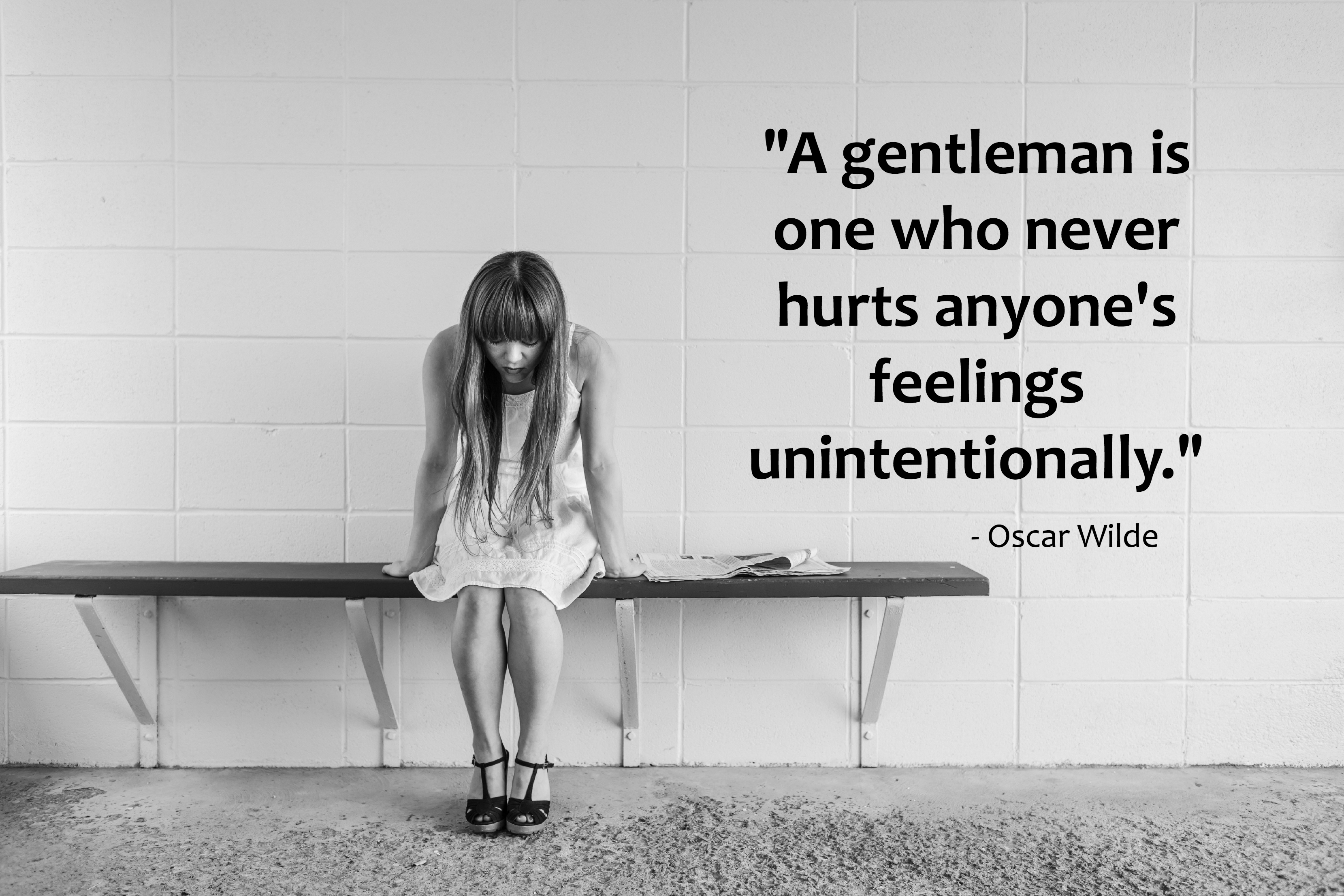
The breakdown of any relationship is a traumatic experience.
But what if the person you once trusted intentionally reposted intimate pictures or videos of you without your consent? The misuse of technology as an emergent tool of degradation and punishment has become alarmingly common in Australia.
It’s a devious and perverted form of post-breakup warfare that is being waged online.
This is the dark and insidious world of revenge porn.
History and pathology
It began in a relatively isolated way. Several websites, mainly US-based publications, popped up to cater for malicious reposting with an ever-growing community of actively engaged users supplying sexually explicit content to site administrators.
In the last few years the revenge porn business has boomed. Photos are usually sent in by spurned ex-partners (mostly men) seeking an avenue for revenge against former girlfriends. Many images posted on specially dedicated sites specify the victim’s full name and are linked to social media profiles. Some go as far as including personal details such as employer information. In other cases, sexually explicit images are posted on social media or emailed to friends, family or even work colleagues without the knowledge or consent of the victim.
The intention is to humiliate, harass or blackmail.
Widespread use of social media and smart phones among young people who capture selfies for the purpose of ‘sexting’ has paved the way for the actions of few to easily spiral out of control. ‘One click’ access and publication of personal information on social media has, perhaps, groomed an entire generation to accept abuse of information as the new norm. What was once reserved exclusively for the private domain has now become part of an increasingly private ‘public dialogue.’
More than ever, the internet is providing ill-intentioned perpetrators with a dangerous platform to not only air grievances but also to find a similarly-inclined audience.
The rapid proliferation of this form of sexual exploitation has occurred for two main reasons:
- ease of publication; and
- lack of accountability.
As a growing practice, this unconstrained freedom to publish explicit media has, and continues, to go largely unchecked.
The trend has given rise to a problem that has not been faced by any other generation – and the results can be devastating.
Impact on victim
Unlike other forms of abuse, revenge porn involves no physical harm to the victim.
The emotional and psychological toll can, however, closely mirror the impact of a sex crime. The victim is left feeling helpless, violated, humiliated and without recourse. In some reported cases, intimate images are used to manipulate and blackmail current partners within the context of a domestic violence situation.
In the past, victims of sexually explicit photo hacks have experienced harsh public backlash. Disney star Vanessa Hudgens, for example, made a public apology after explicit photos surfaced on the internet. Nowadays, victims (particularly celebrities) of photo hacks are calling attention to revenge porn and online photo attacks for what they truly are – a sex crime. A changing mainstream media dialogue spearheaded in large part by Jennifer Lawrence following a nude photo hack late last year now rightfully redirects blame, attention and shame to the shoulders of the perpetrator.
State of the law in Australia – Is it doing enough?
Like most countries, Australia has no laws specifically designed to combat revenge porn or malicious reposting. Current privacy laws deal mainly with abuse by corporations or government bodies but mention nothing about breaches made by private individuals. State and territory criminal laws, on the other hand, deal with physical assault rather than virtual behaviour that causes similar and serious and ongoing psychological harm.
Victoria is leading the charge against revenge porn in Australia by amending existing sexting laws. Recently passed legislation makes it a criminal offence to distribute, or threaten to distribute, intimate images or videos of a person without consent.
In a Federal context, the Commonwealth Criminal Code 1995 makes it an offence to use the internet to menace, harass or offend. As a broad spectrum law, it has been used to prosecute cases of cyber bullying. Some commentators argue that it may be used to prosecute perpetrators of revenge porn. However, as a newly emerging area of cybercrime there is no legal precedent and no criminal prosecutions that have used this legislation to date.
This is not the first time the law has lagged.
When it comes to the rapidly-evolving area of cyber crime, the actions of individuals often overtake the ability of policy makers and legislators to keep pace. From the Silk Road online black market used for the sale of illegal drugs to other deep web and darknet services, there is no shortage of ways for extremest groups, child pornographers or illegal goods distributors to engage in untraceable illegal activity hidden from relevant authorities.
The UK and several states in the US have now regulated against revenge porn. In the UK it is now an offence punishable by up to 2 years imprisonment.
What if it happens to you, or someone you know?
If you become aware of a picture that has been published online without your consent, move quickly! The longer your images are online, the more people will see them and the further they are likely to spread. Taking immediate action is the best way to ensure that the pictures are removed successfully.
- Report the crime to local police;
- If the picture has been posted on social media, report the abuse through appropriate channels immediately and request that the image is removed;
- If the images have been posted on social media, depending on the nature of your relationship with the perpetrator, you may wish to contact him/her directly to request the pictures are taken down. Sometimes the most effective strategy is the simplest: appealing to a person’s better nature may well produce the outcome you seek without the need to pursue further action;
- If the picture has been posted on a specially dedicated revenge porn website, however, contact the site’s administrator and request the picture is removed;
- Seek advice from a lawyer who specialises in cyber crime.
Some suggested wording you may wish to consider using when requesting the removal of an image:
Dear [insert name of site administrator]
I have recently become aware of explicit images of myself that have been posted on your website without my knowledge or consent.
I am writing to request the immediate removal of these images.
If my images are not removed within 24 hours I will be forced to report your website to the authorities and to pursue legal action.
Thank you
Regards
[insert your name]
Another possible legal avenue could involve suing website owners for breach of copyright under civil Copyright Protection laws. Copyright protection in Australia is automatic as soon as an image is captured.
This means that if you took the explicit image yourself, it belongs to you.
Virtual reality
A good defence is the best offence.
Be mindful of the information you share. Abuse – whether virtual or physical – almost always happens at a time and in a way that we cannot anticipate.
Report any online attack immediately and talk about it with friends and family.
The only outcome to be achieved by remaining silent is to allow the perpetrator to win.
Have you or anyone you know been victimised by revenge porn? Do you think legislation should punish perpetrators of online assaults in the same way as other sex crimes? Let us know what you think in the comments section below!
Further information
If you or someone you know has been the victim of revenge porn contact:
- Australian Cybercrime Online Reporting Network (ACORN)
- Local police assistance line: 131444
- National Counselling Helpline: 1800 737 732 (for assistance and practical strategies on how to cope with the ongoing effects of revenge porn) or
- To explore a remedy for copyright infringement seek advice from a copyright lawyer.
